

Frequently asked questions about fitness: answers for safe and effective training


Starting a new sport can be exciting, but also intimidating. You might be wondering, "Am I doing it right?", "How often should I exercise?", "What if I get injured?" Fortunately, most questions about physical activity have clear and practical answers. Here are some frequently asked questions about how to train safely and effectively. We hope this guide helps you stay confident and motivated, and improve your long-term health.
1) If I am a beginner in sports, where should I start training?
If you're new to fitness, it's recommended to start with a simple and easy-to-follow workout program. Choose basic exercises like squats, push-ups (including dips and bench presses), strength training (like rows), glute exercises, and cardio. This will allow you to build a solid foundation without overtaxing your body.
The key is consistency, not intensity. The goal is to train two to three times a week, and initially, each session shouldn't be too long. A suitable training plan can be developed as follows: train two to three times a week for the first month, and as your technique improves and your body recovers, gradually increase the duration and intensity of your workouts.
2) How often do I need to train to see results?
In general, training 3 to 5 days per week is effective for most people, but the optimal frequency depends on individual goals, time availability, and recovery capacity. If the goal is to improve health and fitness, 3 days of balanced training per week is usually sufficient to increase muscle strength, improve endurance, and optimize athletic performance.
If you have specific goals, such as increasing muscle mass, improving athletic performance, or changing your body composition, it's recommended to train 4 to 5 days a week. Both the frequency and quality of your training are important. In other words, a proper warm-up, a gradual increase in training volume, and scheduling rest days to allow your body to adapt to the effort are essential.
3) What is the difference between exercise and physical training?
Physical activities encompass the activities themselves, such as walking, running, weightlifting, cycling, and gymnastics. Physical training, on the other hand, is a systematic and long-term approach to improving physical fitness, generally involving a planned and progressive training process with specific goals such as strength, endurance, flexibility, and explosive power.
In practice, physical training generally requires a personalized plan, tailored to each person's level and goals. For example, such a plan might include alternating strength and cardiovascular exercises, agility drills, and functional training to assess progress. This allows the training to have a measurable impact on physical health.
4) How do I choose a training course that suits my goals?
Start by defining your main goals. You need to determine what's most important to you: gaining muscle, losing fat, increasing muscle mass, improving endurance, or overall health. Strength training programs typically use progressive overload with weights or machines, while endurance training programs focus on aerobic exercise (such as cardio or interval training).
If your main goal is to improve your overall health and establish a regular exercise routine, it's recommended to combine strength training, aerobic exercise, and stretching. This balanced approach to training can improve your athletic performance, your overall fitness, and help you better manage your daily physical activities, thus reducing the risk of injury.
5) What should a safe training week look like?
A safe training week should include varied exercises, sufficient rest, and appropriate intensity. A typical training plan includes 2 to 3 strength or endurance sessions, 1 to 2 aerobic training sessions, and at least one day of complete rest or a day of light physical activity. Light physical activity can include walking, cycling, yoga, or agility exercises.
In addition, your training program should include warm-up and cool-down sessions. Warming up improves athletic performance, while cooling down promotes recovery. In the long run, such a program can improve your fitness and motivate you to adopt a regular exercise routine, both essential for good long-term health.

6) How long should each training session last?
The duration of training sessions varies depending on each person's availability and goals, but long workouts aren't necessary to achieve results. For beginners or those returning to exercise after a break, 30 to 60 minutes is sufficient. The key to success lies not in the duration, but in choosing the right exercises, maintaining proper technique, and using an appropriate intensity.
When time is limited, high-intensity interval training (HIIT) is a good option, as it reduces the number of repetitions and focuses on specific goals. For example, you can effectively perform four to six exercises to strengthen your core. The key is to improve your fitness through consistent effort and avoid overtraining.
7) How can I tell if the intensity of my training is too high or too low?
To effectively assess exercise intensity, observe your body's reactions during and after exertion. It's important to exercise at the appropriate intensity while maintaining good posture. If you experience intense and persistent pain, dizziness, or severe joint pain, stop exercising and adjust the intensity. Insufficient intensity may not be effective for several weeks.
Focus on your progress. If your strength, reps, or training efficiency are steadily improving, you're probably on the right track. However, if you don't see changes after a few weeks, you'll need to adjust your training volume. For example, you could slightly increase the intensity or refine your technique. A well-designed training plan should include sufficient recovery time for your body to adapt.
8) Is resistance training necessary for the physical condition and health of athletes?
While resistance training isn't essential for everyone, it offers significant benefits for cardiovascular health, muscle strength, and overall athletic performance. Moderate-intensity resistance training, such as brisk walking or cycling, can improve blood circulation and promote a healthy lifestyle.
For many, combining strength training with aerobic exercise is the ideal solution. Strength training increases muscle mass and protects joints, while aerobic exercise improves fitness and cardiovascular health. Combining these two training methods promotes overall good health and allows for a more dynamic and active lifestyle, including physical and recreational activities.
9) What is the safest way to prevent injuries during physical exercise?
Preventing sports injuries relies heavily on the fundamentals. Proper technique, appropriate weight, and progressive overload are essential. When learning new movements, it's crucial to start with light weights or simple exercises. Repeating movements slowly, maintaining proper form, and mastering the technique are vital before increasing the intensity.
Warming up and stretching are essential. A good warm-up can include dynamic movements like leg swings, shoulder shrugs, and hip flexions, in addition to gentle aerobic exercises. Listen to your body. Muscle soreness is normal, but if you feel pain, adjust the intensity of your workout or stop altogether. Safe and effective training focuses on long-term strength gains, not rapid progress.
10) Should I stretch before and after training?
Stretching is beneficial for both body and mind, but the best method depends on your goals. Static stretches (holding a stretch for a set amount of time) are most effective after exercise, when your muscles are fully relaxed and your nervous system is at rest. Dynamic stretches are generally better suited for warming up.
A simple method involves starting with a brief warm-up, followed by specific stretches or joint exercises. This is especially helpful for improving joint comfort and health in sedentary individuals or those with reduced mobility. Regular stretching is more important than occasional, short-duration exercises.
11) How to create a monthly training plan?
You can easily improve your technique by gradually increasing the volume, load, or difficulty of your training over one or more weeks. For example, you can slightly increase the load while maintaining the same number of repetitions, or increase the number of repetitions while maintaining the same load. The goal is to progress gradually, not to make drastic changes.
Choose a training strategy you can maintain long-term. If you want to increase muscle strength, gradually increase the volume of your weight training sessions. If you want to improve your endurance, gradually increase the duration or intensity of your aerobic exercises. Combining higher training volume with rest and recovery will keep your body in optimal condition, as the body adapts after exercise.
12) What should I eat and drink to improve the effectiveness of my training?
Nutrition plays a crucial role in training effectiveness and recovery. While many focus solely on calorie intake, the quality of nutrients is equally important. Protein is essential for muscle recovery, carbohydrates provide the energy needed for training, and healthy fats contribute to overall health. Proper hydration is also critical, especially during long or intense training sessions.
The easiest way to manage your nutrition is to eat a balanced diet and adjust it to the intensity of your training. If you train in the morning, it's advisable to have a light snack beforehand, such as fruit or yogurt. After your workout, consume protein and carbohydrates at the appropriate time. This helps maintain your body's health and ensures optimal recovery, allowing you to better stick to your training plan.
13) Do I need to take dietary supplements to be successful?
In general, most people do not need dietary supplements; a balanced diet and regular physical activity are sufficient to maintain good health. While supplements can be helpful in certain cases, for example, when it is difficult to increase protein or vitamin D intake, they cannot replace a healthy diet and regular physical activity.
If you decide to take dietary supplements, choose quality products and consider your individual needs and medical history. Consult your doctor or pharmacist if you have any health problems or are taking any medication. Safe and effective physical activity depends on making sound choices that promote good long-term health.
14) What are some of the common mistakes people make when they start playing a sport?
One of the most common mistakes is trying to do too much in too little time. Beginners often jump straight into intensive or advanced training programs without mastering the fundamentals. Another frequent problem is neglecting the warm-up, which increases the risk of injury.
Many people exercise irregularly, focusing on only one type of activity (such as aerobics or weight training) or neglecting recovery. A balanced training program, including strength training, aerobic exercise, and stretching, promotes sustainable muscle development. If you don't feel well during your workout, adjust your program and pay close attention to proper technique and adequate recovery.
15) When should you consult a specialist or seek medical help?
If you have a chronic illness or pain with no apparent cause, consult a qualified professional before starting an exercise program or making significant changes to your existing one. A trainer, physical therapist, or doctor can help you choose safer exercises and design a program tailored to your needs.
In addition, if you're unsure how to exercise correctly, experience difficulty during exertion, or if pain persists, consider consulting a professional. Early consultation can protect your long-term health and help you develop a safe and effective exercise program, rather than relying on trial and error.
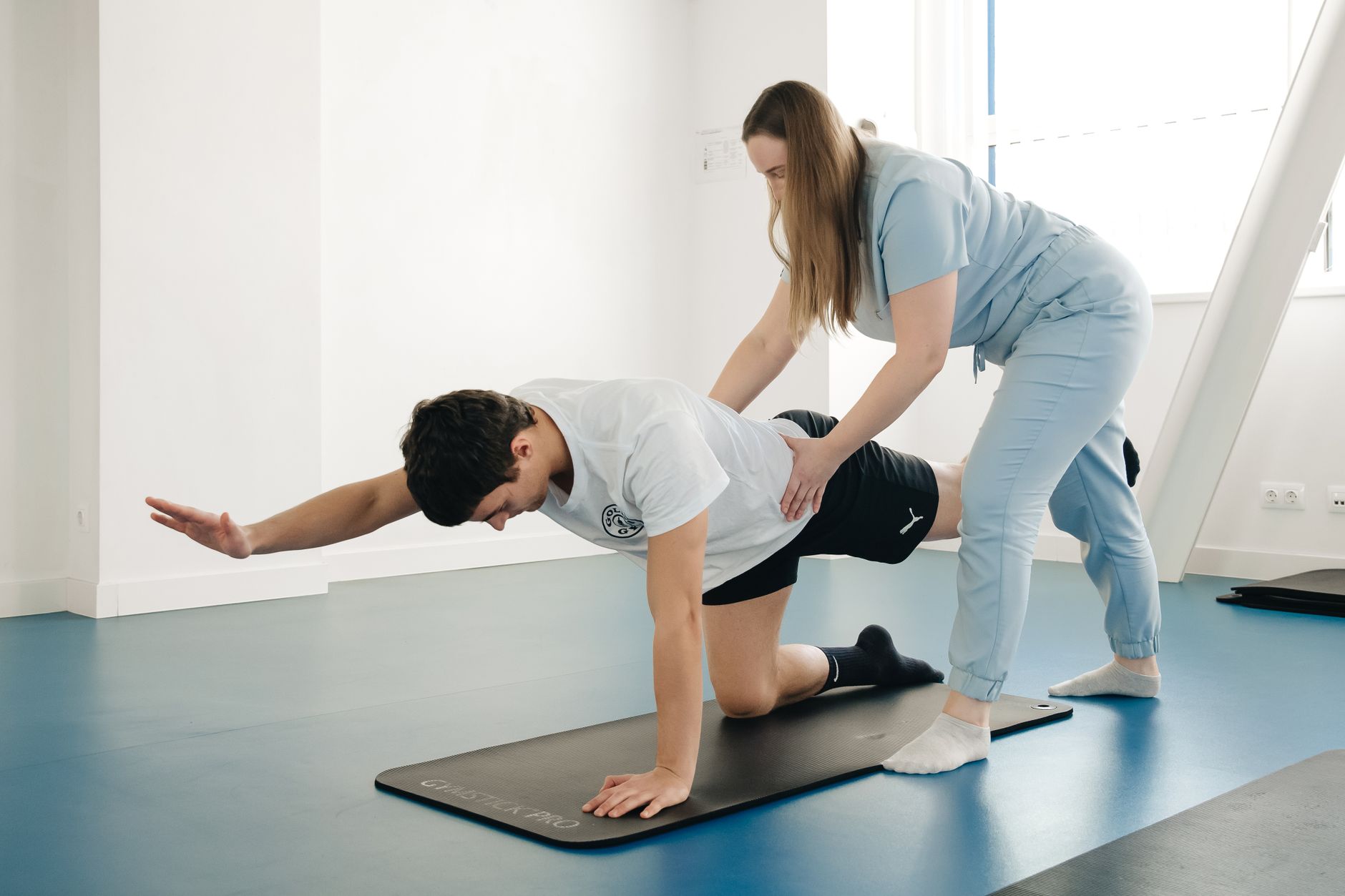
In summary, practice safely and consistently, and progress cautiously.
Physical exercise is a learning process, not a quick fix. By prioritizing safe and effective training—choosing the right exercises, gradually increasing intensity, ensuring sufficient recovery, and using proper technique—you'll lay the foundation for optimal physical adaptation and development. Whether you're designing a training program to improve your overall health or training to achieve specific goals, these principles will help you improve your athletic performance and fitness over the long term.
Start with the resources you have and commit to regular, targeted training. Over time, this training will become easier, more intense, and more rewarding. That's precisely your ultimate goal.
Deja una respuesta