

Oats vs. quinoa: nutritional differences and characteristics of each food

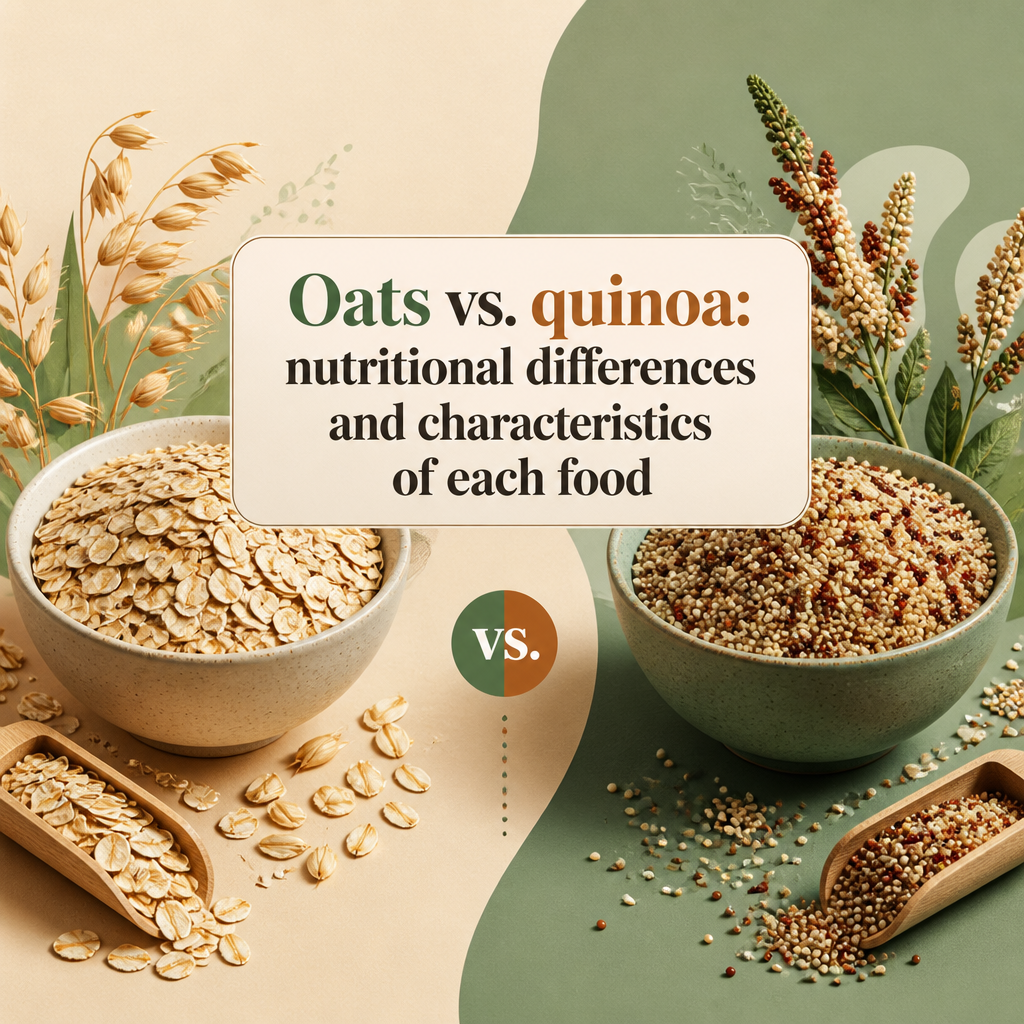
Looking for a simple way to upgrade your meals without getting complicated? Two of the most popular “healthy basics” in the modern kitchen—oats and quinoa—often end up in the same conversation. They’re both nutrient-dense, flexible, and widely used in everything from breakfast bowls to salads. But while they may look like interchangeable superfoods, they actually bring different strengths to the table. If you want to build a more balanced diet, understanding the nutritional differences and characteristics of each food can help you choose what fits your goals, taste, and cooking style.
Oats: characteristics, nutrition, pros, and cons
Oats are best known for their comforting texture and steady energy. They’re a type of whole grain (or whole-grain-based food, depending on processing), and they shine particularly in breakfast meals. Most people use rolled oats, steel-cut oats, or instant oats, each with slightly different cooking times and textures.
What oats are like (texture and culinary use)
Oats are naturally mild in flavor, which makes them easy to personalize. You can cook them on the stove, microwave them, or bake them into bars and cookies. Common formats include:
- Rolled oats: chewy and creamy when cooked; great for porridge or overnight oats.
- Steel-cut oats: firmer and more “toothsome”; ideal for thicker, heartier bowls.
- Instant oats: faster but often more processed; still useful for convenience.
Nutritional profile highlights
When people talk about oats in a nutrition-focused context, they usually highlight fiber and sustained fullness. In particular, oats are well known for a soluble fiber called beta-glucan, which supports digestive health and can help you feel satisfied longer—an important part of healthy foods that fit real life.
Key nutritional advantages often include:
- Fiber: typically high, supporting digestion and appetite control.
- Protein: moderate for a grain; pairs well with dairy, soy, or nuts to boost total protein.
- Whole grains: oats are commonly consumed as whole-grain options, especially rolled or steel-cut.
- Carbohydrates for energy: great for workouts and day-to-day activity, especially when portioned appropriately.
Pros of choosing oats
- Excellent for gut-friendly fiber: beta-glucan is a standout feature.
- Very easy to incorporate: breakfast bowls, smoothies, baking, and even savory porridge.
- Helps create a balanced diet pattern: especially when you top with fruit, seeds, and a protein source.
- Budget-friendly and widely available: making it easy to eat consistently.
Cons and things to consider
- Protein completeness: oats provide protein, but not as “complete” as quinoa; pairing matters if you’re aiming for higher protein quality.
- Portion control: oats can add calories quickly if you use large portions plus sweet add-ons.
- Processing differences: instant oats may lose some texture and have a different impact depending on added sugars and refinements.
- Gluten cross-contact: oats are naturally gluten-free, but they’re often processed in facilities with wheat. If you’re sensitive, look for certified gluten-free oats.
Quinoa: characteristics, nutrition, pros, and cons
Quinoa is a bit different from oats in both identity and cooking behavior. It’s often treated like a grain, but botanically it’s a seed. That means it offers a distinct nutritional mix and a different flavor profile—earthy, nutty, and slightly crunchy when cooked properly.

What quinoa is like (texture and culinary use)
Quinoa holds its shape better than many grains and makes a great base for bowls, salads, and side dishes. The most common types are:
- White quinoa: mild flavor and fluffy texture.
- Red quinoa: slightly firmer; holds shape well.
- Black quinoa: a bit more robust in flavor and texture.
One key step: quinoa often has natural saponins on the outer coating, which can taste bitter. Many brands pre-rinse, but rinsing yourself is a safe habit for better taste.
Nutritional profile highlights
In nutrition conversations, quinoa stands out for being relatively high in protein for a plant-based food and for having a more complete amino acid profile than many grains. That makes quinoa especially attractive for people looking to boost protein without relying solely on animal sources.
Common nutritional highlights include:
- Protein: typically higher than oats and considered more complete for plant-based nutrition.
- Fiber: provides good digestive support and helps with satiety.
- Whole-grain-like behavior: people use quinoa as a whole-grain option in meals; it’s nutrient-dense and satisfying.
- Micronutrients: quinoa provides important minerals and nutrients that support overall health.
Pros of choosing quinoa
- Stronger protein profile: often helpful for balanced diet goals, especially if you want more protein from a single bowl.
- Great for meal prep: cooks into fluffy grains that reheat well without turning mushy.
- Versatile flavor: nutty taste works in salads, warm bowls, and even veggie patties.
- Useful for variety in healthy foods: if you’re rotating whole grains, quinoa adds diversity beyond oats.
Cons and things to consider
- Cooking nuance: getting the water ratio and rinse step right improves texture and taste.
- Availability and cost: quinoa can be more expensive than oats in some areas.
- Portion planning: while nutritious, it still contains carbs and calories—particularly if you pair it with high-calorie toppings.
- Texture preferences: if you prefer creamy comfort, oats usually feel more “cozy” than quinoa.
Oats vs. quinoa: key nutritional differences at a glance
If your goal is to choose confidently, it helps to compare the “why” behind each food.
- Protein: quinoa generally has an edge over oats, which can be helpful if you’re targeting protein per serving.
- Fiber: both support digestion, but oats are especially well known for their soluble fiber (beta-glucan). Quinoa also contributes meaningful fiber for satiety.
- Whole grains / grain-like value: oats are classic whole grains; quinoa behaves like a whole-grain staple in meals and is similarly valued for nutrition.
- Cooking and texture: oats are typically creamy (especially rolled/instant), while quinoa stays light and distinct.
- Best use cases: oats often win for breakfast and comfort; quinoa often wins for salads and hearty meal bases.
Which one to choose for your case
The best choice usually depends on your routine, your appetite, and your nutrition priorities. Here are practical scenarios.
Choose oats if you want
- Fiber-forward breakfasts: oats are a strong option for gut-friendly nutrition and long-lasting fullness.
- Comfort and consistency: oatmeal is easy to make and hard to mess up.
- A flexible base for add-ons: top with fruit, nuts, seeds, or a spoon of protein-rich yogurt to build a balanced diet.
- Workout-friendly energy: oats provide steady carbohydrates that can support training days.

Choose quinoa if you want
- More plant-based protein per serving: quinoa is often favored when protein matters.
- Meal prep versatility: it reheats well and works across multiple meals and cuisines.
- A more “grain + protein” combination: quinoa’s amino acid profile can be especially appealing for plant-based nutrition.
- Nutty flavor and salad-friendly texture: it’s ideal when you want something more distinct than oatmeal.

Simple pairing ideas for a balanced diet
- Oats + protein: add Greek yogurt, soy yogurt, milk, chia seeds, or a nut butter swirl.
- Quinoa + protein: combine with beans, tofu, eggs, chicken, or chickpeas and add vegetables for fiber.
- Both + healthy fats: use olive oil (for quinoa bowls) or nuts/seeds (for oats) to improve meal satisfaction.
Conclusion: a clear recommendation
So, are oats better than quinoa—or vice versa? If you’re prioritizing fiber and a comfort-first breakfast that keeps you satisfied, oats are a fantastic daily choice. If you’re aiming for a protein-boosting whole-grain-like staple with a lighter, salad-friendly texture, quinoa is an excellent option. In reality, the healthiest approach is often to rotate both: use oats for cozy, fiber-forward mornings and quinoa when you want a protein-rich base for lunch or dinner. By understanding their nutritional differences and choosing based on your goals, you’ll build a more consistent balanced diet with the best of both oats and quinoa.
Deja una respuesta