

Balanced diet: a guide to better organize your daily meals.

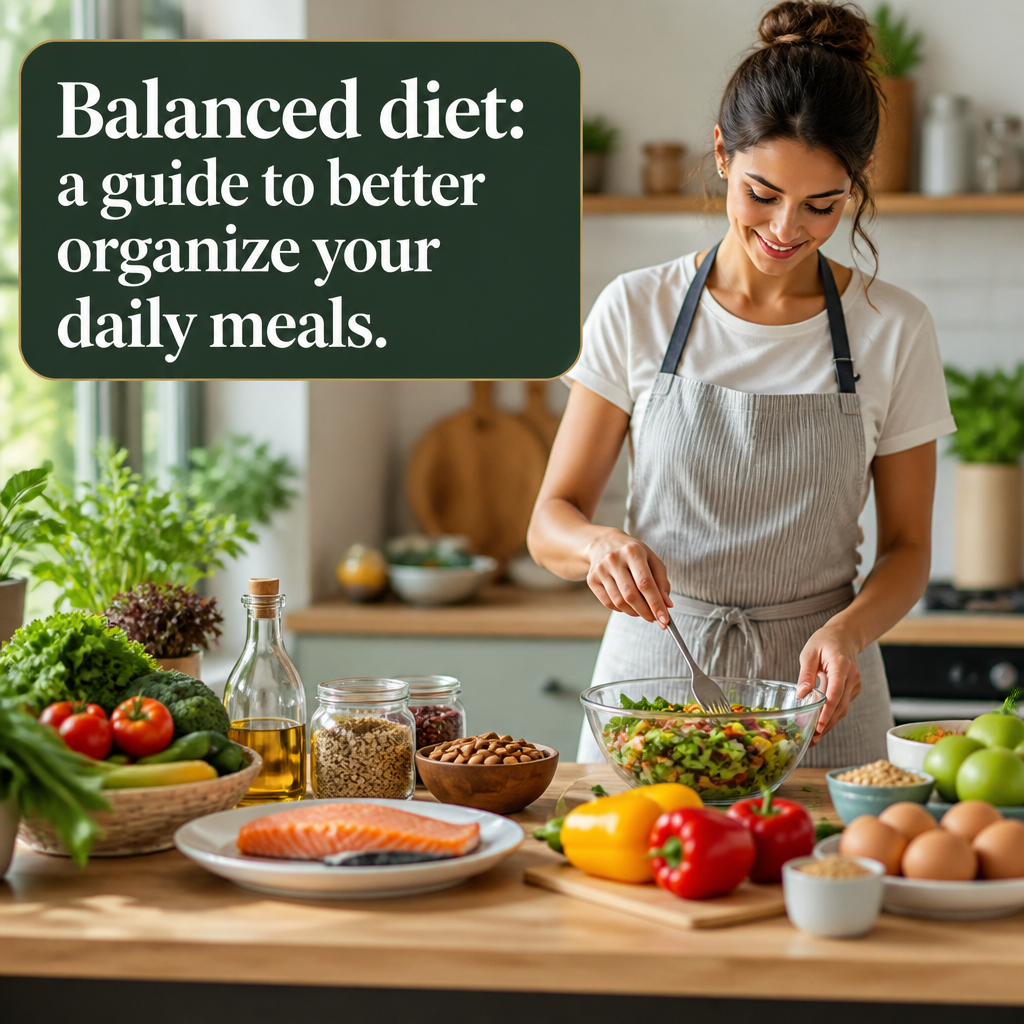
Organize your daily meals like a pro—and you’ll often notice the magic right away: steady energy, fewer cravings, and meals that feel more enjoyable than stressful. A balanced diet isn’t about strict rules or “perfect” eating; it’s about creating a smart structure around nutrition so your body gets the nutrients it needs to function well. In this guide, you’ll learn from zero to advanced level: how to plan, prep, measure, and refine your meals while building healthy habits that support long-term well-being.
What “Balanced Diet” Really Means (and Why It Works)
A balanced diet is a way of eating that supports your body by providing the right mix of energy and key components—carbohydrates, proteins, fats, vitamins, minerals, fiber, and water. Instead of focusing on eliminating entire food groups, the goal is to build a pattern of healthy meals that fits your lifestyle and goals.
In practical terms, a balanced diet helps you maintain:
- Stable energy (less crash-and-burn from meals that are too heavy or too low in nutrients)
- Better digestion through fiber and adequate hydration
- Muscle repair and recovery with sufficient protein
- Overall well-being by covering the micronutrients your body needs
Think of your daily food choices as “inputs” for your health system. Better inputs usually lead to better outputs.
Core Principles: Macros, Micros, and Meal Structure
1) Macros: Carbs, Protein, and Fats
Macros are the nutrients that provide calories and structure your meals:
- Carbohydrates: your main energy source—especially from whole grains, fruit, beans, and starchy vegetables.
- Protein: supports repair, growth, and satiety—found in eggs, dairy, fish, poultry, tofu, tempeh, beans, and lean meats.
- Fats: support hormones and nutrient absorption—found in olive oil, nuts, seeds, avocado, and fatty fish.
You don’t need a complicated formula to start. You need a consistent structure across meals.
2) Micros: Vitamins, Minerals, and Fiber
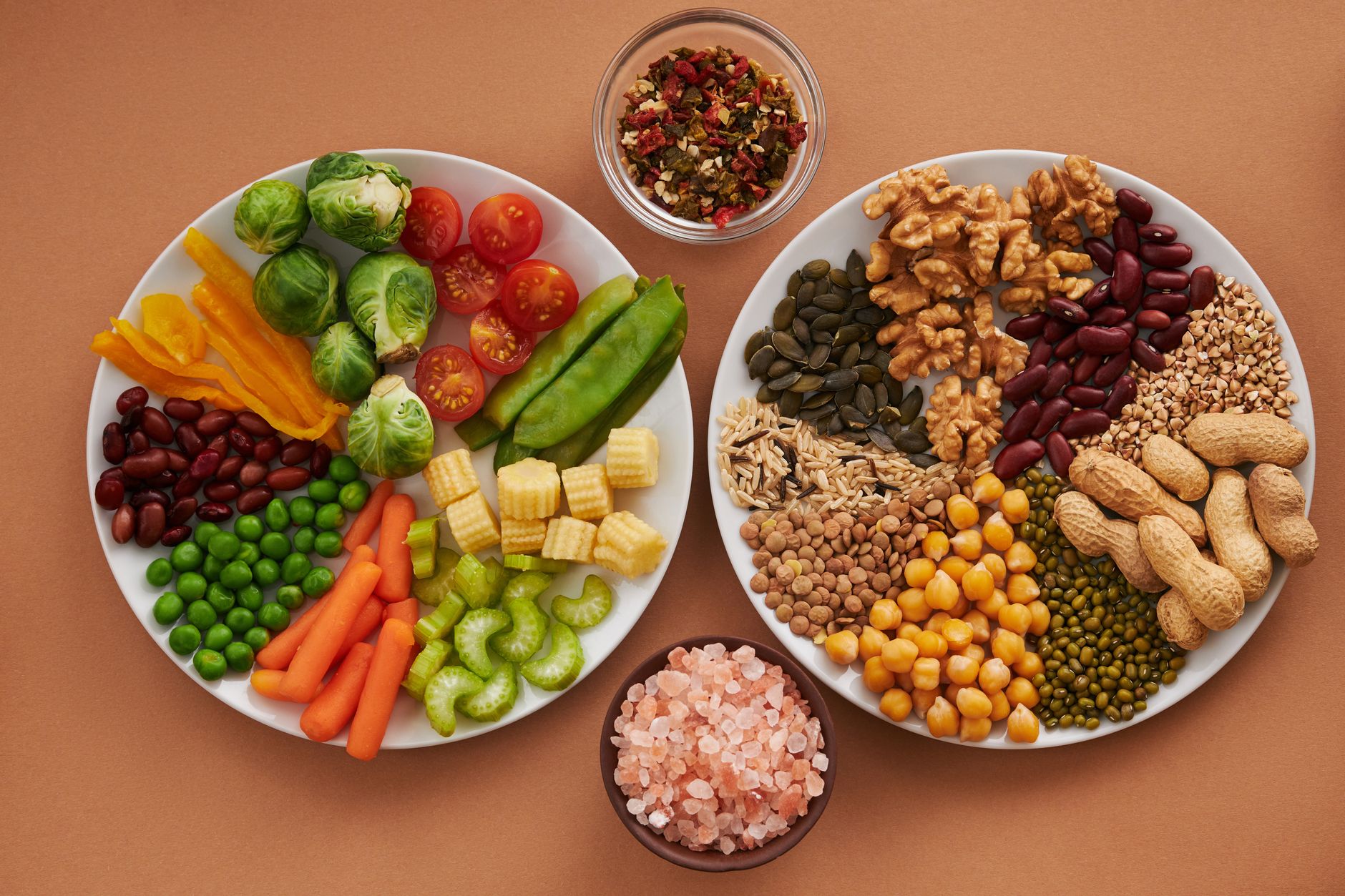
Micronutrients are essential for everything from immunity to energy metabolism. Fiber helps with digestion and appetite control. Since these come mainly from plants, a truly balanced diet usually includes vegetables, fruit, legumes, whole grains, nuts, and seeds.
A helpful mindset: each meal should contribute to your nutrient coverage, not just fill your stomach.
3) Meal Structure: The “Build” Concept
To organize meals efficiently, use a repeatable framework:
- Base: vegetables and/or whole grains
- Protein: a palm-sized serving (or more for higher needs)
- Healthy fats: a thumb-sized portion
- Flavor boosters: herbs, spices, citrus, yogurt-based sauces
This structure makes it easier to create healthy diet meals without constantly calculating.
Step-by-Step Meal Planning From Zero
Step 1: Choose Your “Default” Meals
If you’re starting from scratch, pick 3 to 5 meal templates you can repeat. For example:
- Breakfast template: Greek yogurt + berries + nuts + oats
- Lunch template: salad bowl + beans/chicken/tofu + olive oil dressing
- Dinner template: whole-grain side + roasted vegetables + protein
- Snack template: fruit + cheese or hummus + carrots
Defaults reduce decision fatigue, which makes healthy choices easier.
Step 2: Do a Quick Pantry and Fridge Audit
List what you already have. Then restock strategically:
- Protein options: eggs, canned tuna/salmon, lentils, tofu, chicken, Greek yogurt
- Carb options: oats, brown rice, quinoa, whole-wheat pasta, potatoes
- Veg options: frozen mixed vegetables, spinach, broccoli, peppers
- Fats: olive oil, nuts, seeds, avocado
- Flavor: spices, garlic, vinegar, salsa, lemon
Step 3: Create a 3-Day Starter Menu
Don’t plan a full month immediately. Start with 3 days, then refine.
Example 3-day plan:
- Day 1: oatmeal breakfast; turkey/bean bowl lunch; salmon + quinoa + roasted vegetables dinner
- Day 2: yogurt parfait; chickpea salad lunch; stir-fry tofu/chicken with brown rice dinner
- Day 3: eggs + whole-grain toast + fruit; lentil soup lunch; chicken tacos with black beans + avocado dinner

Plate Method + Practical Portions (Breakfast, Lunch, Dinner, Snacks)
The plate method is a simple way to organize your food without strict measuring.
Lunch and Dinner Plate (Visual Portions)
- Half the plate: non-starchy vegetables (salad, broccoli, peppers, roasted veggies)
- Quarter: protein (chicken, fish, tofu, beans)
- Quarter: carbohydrates (rice, potatoes, quinoa, whole-grain pasta)
- Add: a small portion of healthy fat (olive oil, avocado, nuts) or a dairy serving if you prefer
Breakfast Portions
Breakfast is where you can set your day’s rhythm. Aim for:
- Protein: yogurt, eggs, cottage cheese, or tofu scramble
- Fiber/Carbs: oats, whole grains, berries, fruit
- Healthy fat: nuts/seeds or chia in yogurt
Snack Portions (Optional, but Strategic)
Snacks work best when they prevent overeating at the next meal. Choose one:
- Fruit + nuts
- Hummus + carrots or whole-grain crackers
- Greek yogurt + cinnamon
- Cheese + apple
These choices support nutrition without turning snacks into “mini meals” that derail your day.
Meal Prep Strategies That Actually Save Time
Meal prep doesn’t have to mean cooking for 10 hours. Focus on “prep the ingredients,” not every single final dish.
Strategy 1: Batch Cook a Protein + a Carbohydrate
- Cook 2 protein options (e.g., chicken and chickpeas/tofu)
- Cook 1 carb option (e.g., brown rice or quinoa)
Then mix-and-match with vegetables and sauces across the week.
Strategy 2: Use Frozen Vegetables and Smart Fresh Ingredients
Frozen vegetables are nutrient-dense and reduce waste. Pair them with a few fresh items for texture and freshness—like greens, tomatoes, or citrus.
Strategy 3: “Assembly Lunches”
Example assembly routine (15 minutes):
- Start with greens or a whole-grain base
- Add protein (from batch cooking)
- Add vegetables (fresh or frozen-thawed)
- Add dressing (olive oil + lemon or yogurt sauce)
- Finish with seeds/nuts for crunch
Building Healthy Meals With Real-Life Examples
Let’s turn theory into meals you’d actually want to eat.
Example Breakfast: Balanced Oat Bowl
Healthy diet version:
- Oats cooked with milk or fortified plant milk
- Greek yogurt on top
- Berries (fresh or frozen)
- Chia seeds or chopped walnuts
- Cinnamon and a squeeze of citrus
This combination delivers carbs for energy, protein for satiety, fiber for digestion, and healthy fats for nutrient absorption.
Example Lunch: Mediterranean Chickpea Salad Bowl
- Greens + chopped cucumber + tomatoes
- Chickpeas (or lentils)
- Olive oil + vinegar dressing
- Crumbled feta (optional)
- Whole-grain pita or quinoa on the side
It’s colorful, nutrient-dense, and easy to scale.
Example Dinner: Salmon, Quinoa, and Roasted Vegetables
- Salmon baked with herbs and lemon
- Quinoa or potatoes
- Roasted broccoli, carrots, and peppers
- Olive oil drizzle + garlic
This is a strong “balanced diet” dinner because it combines protein, fiber, complex carbs, and omega-3 fats.
Advanced Nutrition: Timing, Fiber Targets, and Smart Adjustments
Once you’ve built consistency, you can fine-tune. “Advanced” doesn’t have to be complicated—just more intentional.
1) Adjust for Your Activity Level
On workout days, you may need slightly more carbohydrates to support performance. On rest days, you might reduce carbs while keeping protein and vegetables consistent.
2) Set Fiber and Protein Targets (Without Obsessing)
- Fiber: aim for a gradual increase using beans, lentils, oats, fruit, and vegetables.
- Protein: include a solid source at each meal to support recovery and appetite regulation.
If you’re not sure where to start, begin with “protein at every meal” and add fiber-rich foods daily.
3) Meal Timing: Pre- and Post-Activity
For many people, timing is less important than total daily intake—but it can help:
- Before exercise: carbs + some protein (e.g., yogurt + fruit or a banana + eggs)
- After exercise: prioritize protein + carbs (e.g., chicken/tofu bowl with rice)
4) Advanced Plate Swaps
If you get bored, swap intelligently:
- Replace rice with whole-grain pasta, quinoa, or potatoes
- Swap salad base for roasted vegetable base
- Change protein: beans ↔ tofu ↔ fish ↔ poultry
- Change fats: olive oil ↔ avocado ↔ nuts/seeds
Variety keeps meals exciting and supports broader nutrient coverage.
Common Mistakes and How to Fix Them
- Mistake: Only focusing on calories. Fix: ensure nutrition quality—protein, fiber, and micronutrients.
- Mistake: Skipping vegetables. Fix: aim for at least one vegetable-based component at lunch and dinner.
- Mistake: “Healthy” snacks that are too calorie-dense. Fix: choose portions—nuts and dried fruit are healthy but easy to overdo.
- Mistake: No protein at breakfast. Fix: add yogurt, eggs, or tofu so mornings feel steady.
- Mistake: Meal prep that turns into boredom. Fix: prep components, not identical meals every day.
Tracking Progress: What to Monitor (Beyond the Scale)
A well-organized balanced diet should show up in daily life. Track indicators of well-being:
- Energy levels and cravings
- Hunger patterns (do you get to meals comfortably?)
- Digestion and satiety
- Training performance or recovery (if relevant)
- Consistency: Did you follow your plan more days than not?
If you use tracking apps or journaling, focus on trends rather than perfection. The point is to learn what works for your body and routine.
Conclusion: Your Balanced Diet Plan for Tomorrow
A balanced diet is one of the most practical ways to improve your daily life—because it turns healthy habits into something you can repeat. Start with a simple meal structure, build a small menu of templates, and organize your week through smart meal prep. Then, as you gain confidence, adjust for fiber, protein, and your activity level to optimize nutrition and support long-term well-being. If you implement just one change tomorrow, make it this: design at least one meal around a base of vegetables, a clear protein portion, and a smart carb choice—so your body gets the nutrients it needs while you enjoy every bite.
Deja una respuesta