

Cholesterol: 10 frequently asked questions about levels, control and prevention

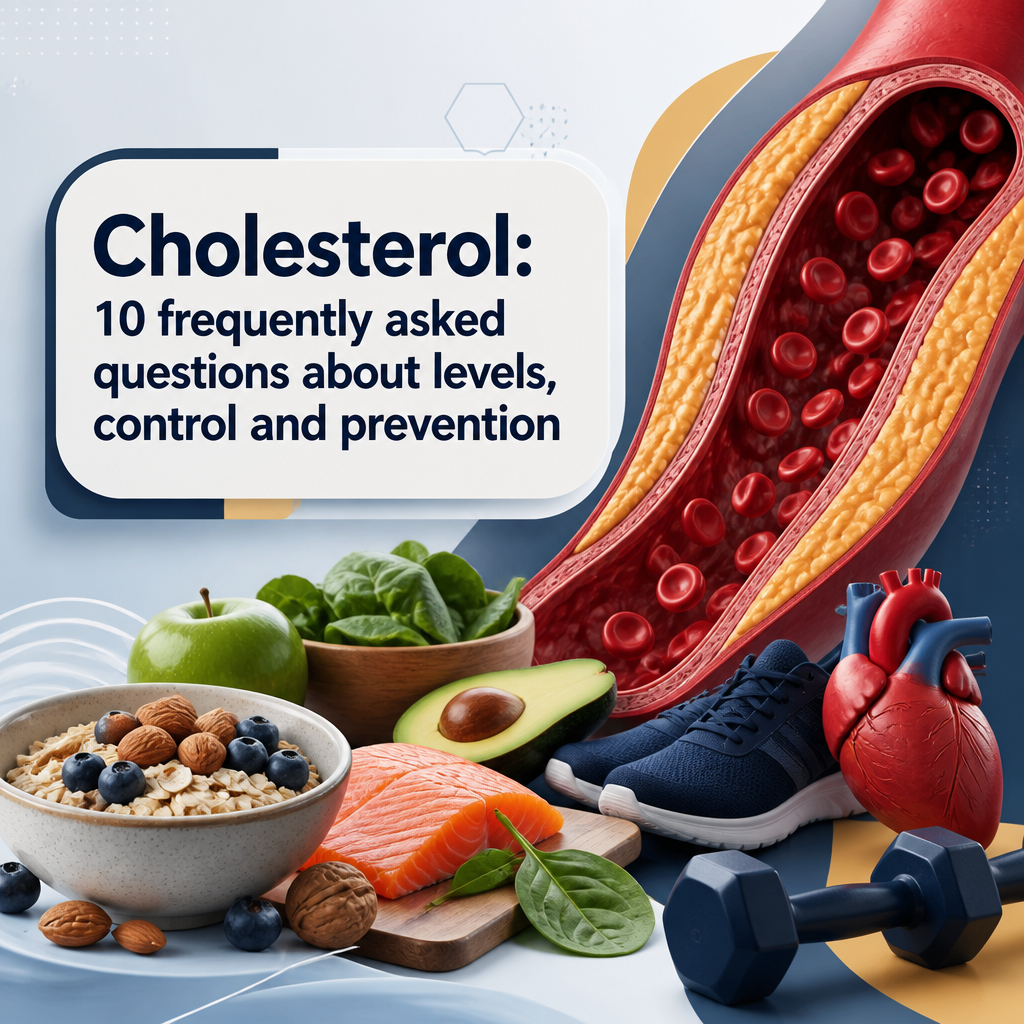
If you’ve ever looked at your lab results and wondered what cholesterol numbers really mean, you’re not alone. Cholesterol can feel confusing—especially when headlines mention “high cholesterol” and warn about heart risks. The good news is that with the right knowledge and consistent steps, you can take control. In this FAQ, we’ll break down the most common questions people have about cholesterol levels, how to interpret results, and what prevention looks like in real life.
1. What is cholesterol, and why does my body need it?
Cholesterol is a waxy substance your body uses to build cells, produce hormones, and make vitamin D. Your liver also produces cholesterol naturally, and you get additional cholesterol from certain foods. So, cholesterol isn’t “bad” by default—it’s necessary for normal body function.
The concern arises when cholesterol levels become imbalanced, especially when there’s too much LDL (often referred to as “bad” cholesterol) or not enough HDL (“good” cholesterol). This imbalance can contribute to plaque buildup in arteries, which is closely linked to long-term cardiovascular health and increased risk for heart problems.
2. What are the different types of cholesterol (LDL, HDL, and triglycerides)?
Most cholesterol test results include several key components. LDL cholesterol is commonly associated with plaque formation in the arteries. HDL cholesterol helps carry cholesterol away from the bloodstream to be processed by the liver, which is why it’s often called “good” cholesterol.
Triglycerides are another type of blood fat measured alongside cholesterol in many blood tests. High triglycerides can also be a sign of metabolic issues and may correlate with higher cardiovascular risk, particularly when combined with other unfavorable cholesterol patterns.
3. What do my cholesterol numbers mean on a lab report?
Cholesterol reports typically show total cholesterol, LDL, HDL, and triglycerides, each measured in mg/dL (milligrams per deciliter) in many countries. Total cholesterol is the broadest number, but it doesn’t tell the whole story by itself. Your heart risk is better predicted by looking at LDL and HDL, as well as triglycerides and sometimes non-HDL cholesterol.
Your clinician may also estimate your overall cardiovascular risk based on age, blood pressure, smoking status, diabetes, and other factors. That’s why two people can have the same cholesterol value but different risk levels. The goal is personalized prevention and appropriate medical care—not one-size-fits-all interpretation.
4. What counts as “high cholesterol” and what levels are considered concerning?
Definitions can vary slightly by guideline and by individual risk profile, but many people consider LDL above a certain threshold as high cholesterol. HDL is generally more favorable when it’s higher, while triglycerides are often considered higher when they exceed certain levels on blood tests.
Importantly, “concerning” isn’t just about a single number—it’s about the pattern and your overall health. For someone with diabetes, a history of cardiovascular disease, or strong risk factors, LDL targets may be lower. That’s why discussing results with a professional is part of smart prevention and safe decision-making.
5. How often should I get blood tests for cholesterol?
Many adults get cholesterol screening at intervals recommended by their health guidelines and risk level. If your results are normal and you have no major risk factors, routine testing may be spaced out. If you have high cholesterol, a family history of early heart disease, or conditions like diabetes or hypertension, your clinician may recommend more frequent blood tests.
Testing frequency may also change when you start or adjust treatment, such as lifestyle changes or medication. A practical approach is to follow your medical care plan and ask how often you should monitor progress—especially if you’re focusing on prevention through healthy habits.
6. Can high cholesterol be present even if I feel fine?
Yes. Cholesterol problems often have no obvious symptoms. Many people with high cholesterol feel completely normal because the buildup of plaque happens gradually over time, often without warning signs.
This is exactly why blood tests matter for prevention. Checking your numbers can help detect risk early, so you can take action before cardiovascular health is affected. If you’ve never had cholesterol testing—or it’s been a while—it’s a good reason to speak with your clinician.
7. What lifestyle changes actually help control cholesterol levels?
Healthy habits can make a meaningful difference, especially when you’re aiming for cholesterol control and long-term heart support. Focus on a heart-healthy eating pattern: more fiber (such as oats, beans, fruits, vegetables), healthier fats (like those from olive oil, nuts, and fatty fish), and fewer sources of saturated fats and trans fats.
Physical activity is another powerful tool. Regular exercise can improve HDL cholesterol and help overall metabolic health, while weight management can lower LDL and triglycerides for many people. Combine this with avoiding smoking and limiting alcohol if it applies to your situation. These steps are a cornerstone of prevention, and they support cardiovascular health in more ways than just cholesterol numbers.
8. Is medication always necessary for high cholesterol?
Not always. Many people can improve cholesterol through diet, exercise, and other healthy habits—especially if their levels are only moderately elevated and their overall risk is low. Your clinician may recommend lifestyle changes first, then reassess using repeat blood tests.
However, medication may be necessary when risk is higher or when lifestyle adjustments alone aren’t enough. People with very high LDL levels, a history of cardiovascular disease, diabetes, or strong risk factors may benefit from medical care earlier. The goal is not just “lowering cholesterol,” but reducing the risk of heart attack, stroke, and other cardiovascular events.

9. What role does diet play—should I avoid all fats to lower cholesterol?
No, you usually don’t need to eliminate fats entirely. In fact, replacing unhealthy fats with healthier ones is often more effective. Saturated fat (commonly found in some animal products and certain processed foods) can raise LDL cholesterol in many people, while unsaturated fats can help improve cholesterol profiles when used in appropriate portions.
Diet strategies that often work include increasing soluble fiber, choosing whole foods over highly processed options, and using cooking methods that reduce added fats. For example, adding beans, lentils, oats, and vegetables can support cholesterol control. A registered dietitian can also help tailor a plan based on your preferences and blood tests.
10. How does exercise influence cholesterol and heart risk?
Exercise supports cardiovascular health in several ways. It can help improve HDL cholesterol, lower triglycerides, and promote weight management, which often leads to better overall cholesterol patterns. Even when exercise doesn’t dramatically change LDL right away, it can still reduce heart risk through multiple health pathways.
A practical approach is consistency: aim for regular aerobic activity and include strength training as appropriate. If you’re new to exercise, start gradually and choose activities you can maintain. Your clinician can advise on safe goals based on your medical history and current fitness level.

11. Can genetics affect cholesterol levels, even with a healthy lifestyle?
Absolutely. Some people inherit a tendency toward high cholesterol or conditions like familial hypercholesterolemia, which can lead to very high LDL levels despite healthy habits. Family history of early heart disease—such as heart attack or stroke at a younger age—can be an important clue.
If genetics may be involved, you may need earlier and more frequent blood tests, and sometimes medication sooner than expected. This isn’t a failure of lifestyle—it’s part of good prevention and medical care. Knowing your risk helps you act sooner and protect your heart.
12. What other conditions and medications can raise cholesterol?
Several health factors can affect cholesterol and triglycerides. Conditions like diabetes, hypothyroidism, kidney disease, and certain metabolic disorders may influence lipid levels. Additionally, some medications can alter cholesterol results, either directly or indirectly.
If your numbers don’t improve as expected, it’s worth discussing possible contributors with your clinician. Adjusting underlying conditions, reviewing current prescriptions, and coordinating prevention strategies can lead to better cholesterol control and improved cardiovascular health outcomes.
13. What are the best steps for preventing high cholesterol in the long term?
Prevention is about building a consistent lifestyle framework. Prioritize a diet rich in fiber and minimally processed foods, choose healthier fats, and keep added sugars and refined carbs in check—particularly if triglycerides are elevated. Pair that with regular movement and maintaining a healthy weight range for your body.
Prevention also includes awareness and monitoring. Get the recommended blood tests based on your age and risk profile, and keep follow-up appointments so you can adapt your plan. If you ever learn you have high cholesterol, treat it as actionable information. With the right medical care and healthy habits, many people can significantly improve their heart outlook.
14. When should I contact my doctor about cholesterol concerns?
Contact your clinician if your blood tests show high cholesterol, if you have a strong family history of early cardiovascular disease, or if you’ve been told your numbers are borderline and you want a personalized prevention plan. Also reach out sooner if you have diabetes, high blood pressure, or other risk factors.
Even if you feel fine, your heart risk can still be influenced by cholesterol patterns over time. Getting professional guidance helps you interpret your results correctly and decide whether lifestyle changes alone are enough or whether you may need additional medical care to protect your cardiovascular health.

Conclusion
Cholesterol is a normal part of the body, but imbalances—especially high LDL and unfavorable triglycerides—can affect cardiovascular health and increase heart risk over time. The key to better control is understanding your numbers through blood tests, adopting sustainable healthy habits, and seeking appropriate medical care when needed.
By focusing on prevention, monitoring trends, and working with a clinician to personalize goals, you can take meaningful steps toward protecting your heart—one decision at a time.
Deja una respuesta